
The Science of Self, Together
Social and Emotional Learning (SEL) helps children understand emotions, build relationships and make responsible decisions. It strengthens emotional intelligence, resilience and overall well-being.
At AdventureMinds, SEL is learned through movement, trust and real connection so students don't just hear about these skills, they truly practice and internalize them.
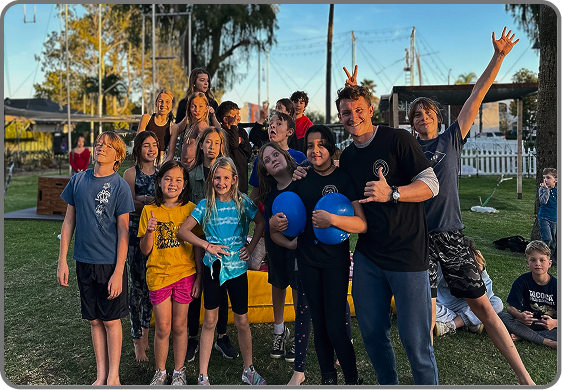
Core Components of SEL
Our core pillars of SEL empower students to think clearly, act kindly, and grow stronger academically, socially and emotionally.
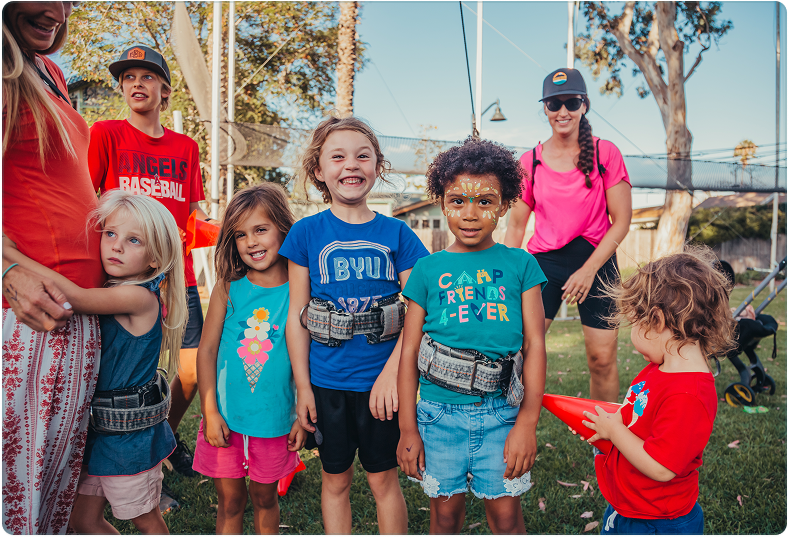

Improve Academic Performance
Students learn to recognize and manage emotions, leading to lower stress and anxiety.

Better Communication & Social Skills
SEL promotes positive relationships, empathy, and effective communication skills that matter for school, work, and life.

Reduce Behavioral Problems
Students with SEL training exhibit fewer behavioral issues, stronger self-regulation, and fewer disciplinary incidents.

Greater Resiliency & Tenacity
Kids learn to fall, get back up and keep moving forward. Resilience isn't a slogan it's a muscle they train through SEL.
What SEL Builds

Decision-Making
Make choices rooted in empathy, ethics, and integrity, always considering the impact on others and the world around them.

Social Awareness
Understand and empathize with others. Recognize and appreciate diversity in thought, culture, and experience.

Self-Management
Learn strategies to manage stress effectively, stay focused, and set achievable personal and academic goals.

Self-Awareness
Identify personal feelings. Know your strengths. Foster a truthful sense of confidence and self-awareness.

Relationship Skills
SEL teaches kids to build trust, resolve conflict, and collaborate. Diversity fuels innovation, transforming every challenge into a collective opportunity.
How AdventureMinds Implements SEL
AdventureMinds makes SEL more than classroom talk. We bring it alive through movement, creativity and community.
School Culture
We help schools design environments where SEL is in the air kids breathe: embedded in policies, practices and a culture of belonging.

Family Engagement
We extend SEL into homes through workshops, events, and experiences that strengthen parent-child connection. Parents often tell us: "You brought our baby back."
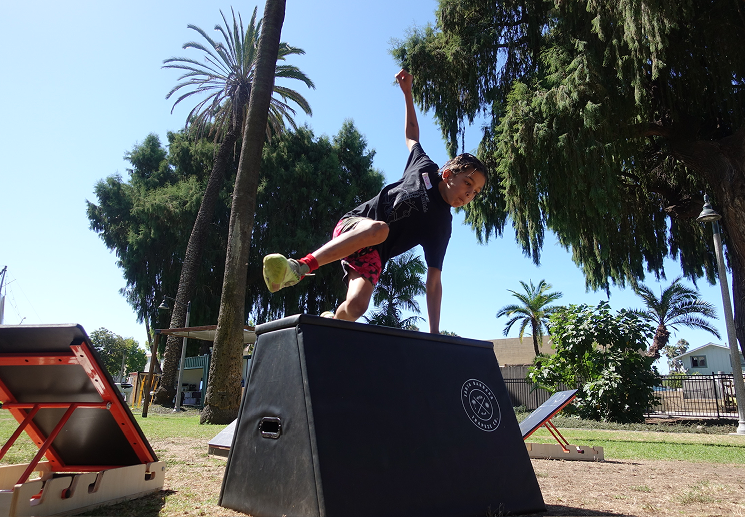

Extracurricular Activities
Our trapeze, parkour, and movement-based programs foster personal development, emotional intelligence, teamwork, and joy through shared experience.

Classroom Instruction
Teachers incorporate SEL principles into daily lessons and activities, giving students tangible ways to apply emotional learning to academics.

Community Engagement
We bring SEL to entire neighborhoods, partnering with parks, schools, and local leaders to transform community spaces into hubs of courage, laughter and connection.
Addressing Today’s Challenges
SEL through movement provides powerful solutions to the most pressing issues facing young people
Mental Health Crisis
Improves Mental Health
Movement-based SEL reduces anxiety and depression while building emotional regulation skills
Bullying & Conflict
Reduces Bullying
Empathy-building activities create cultures of respect and conflict resolution
Low Academic Engagement
Boosts Academic Performance
SEL competencies directly correlate with improved focus, motivation, and learning outcomes
Social Isolation
Builds Connection
Collaborative challenges foster meaningful relationships and belonging
Equity & Inclusion
Promotes Equity & Inclusion
SEL promotes inclusivity, cultural awareness, and respect for diversity.
Trauma & Adverse Childhoods
Supports Trauma Recovery
Trauma-informed SEL helps students build resilience and support emotional recovery.
Technological Disruption
Balances Technology Use
SEL helps students use technology responsibly and build healthy digital habits.
